Architecture shapes far more than the spaces we live in. It influences how we move, how we connect, and how we feel in our everyday lives. From the way light enters a room to how spaces invite rest or togetherness, thoughtful design quietly supports the rhythm of living. This reflection explores how architecture, at its best, is built not just for function, but for people.

When Architecture Becomes Part of Daily Life
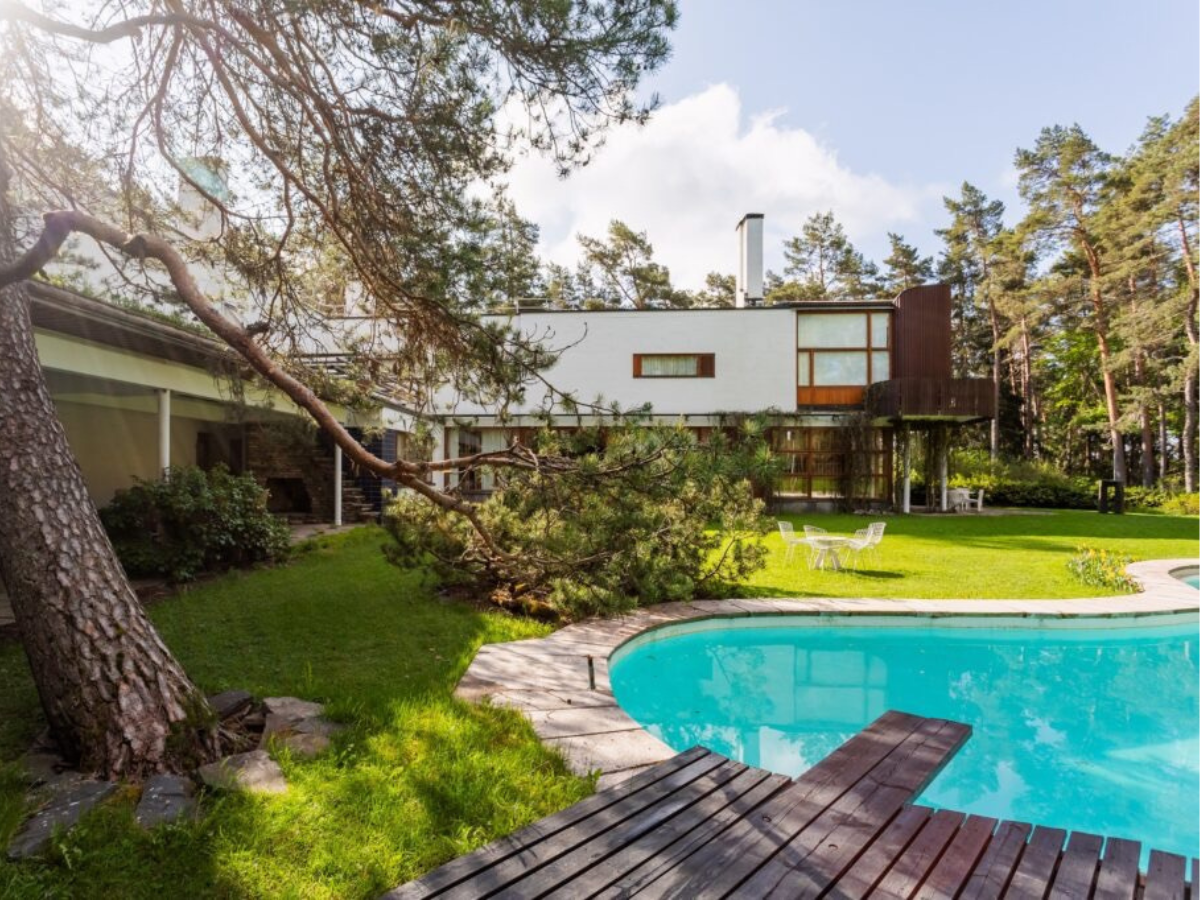
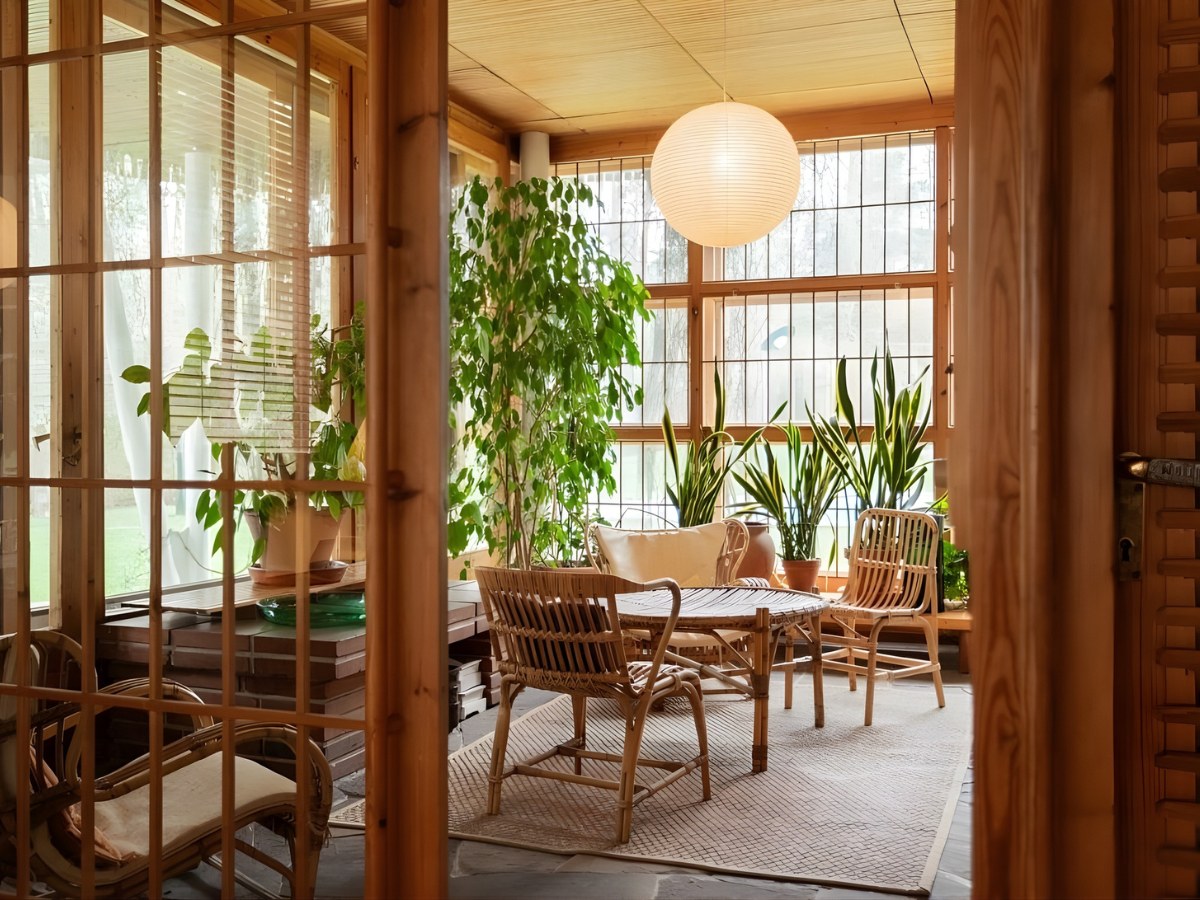
We often think of architecture as something we look at. But in reality, it is something we live inside. It shapes our mornings, our habits, and the way we move through the day. Long before we consciously notice it, architecture influences how calm we feel, how connected we are to others, and how at home we truly feel. A well-designed space does not demand attention. It quietly supports life as it unfolds. This quiet presence is evident in places like Alvar Aalto’s Villa Mairea, where architecture is shaped around human movement, warmth, and everyday living. Nothing feels imposed. Space simply adapts to life, rather than asking life to adapt to it.
Architecture as a silent presence
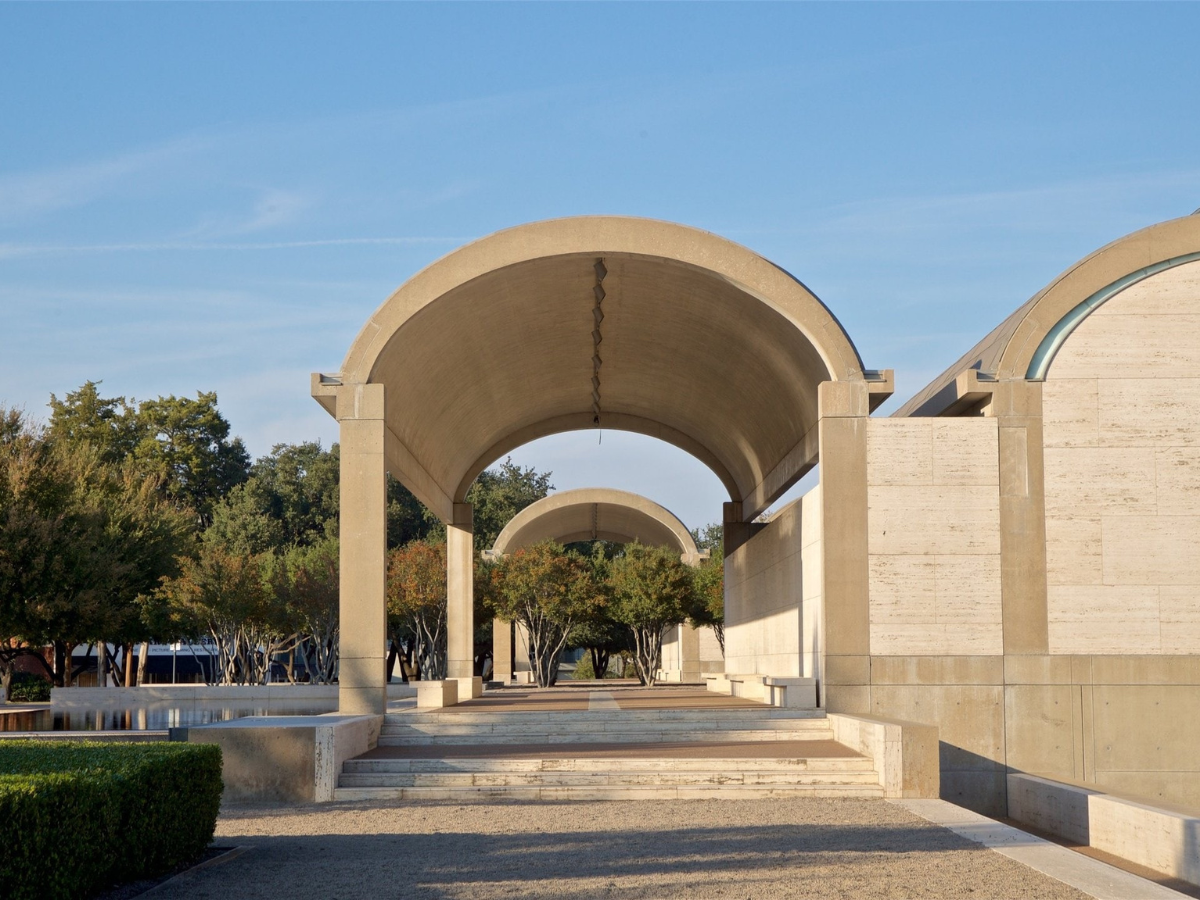
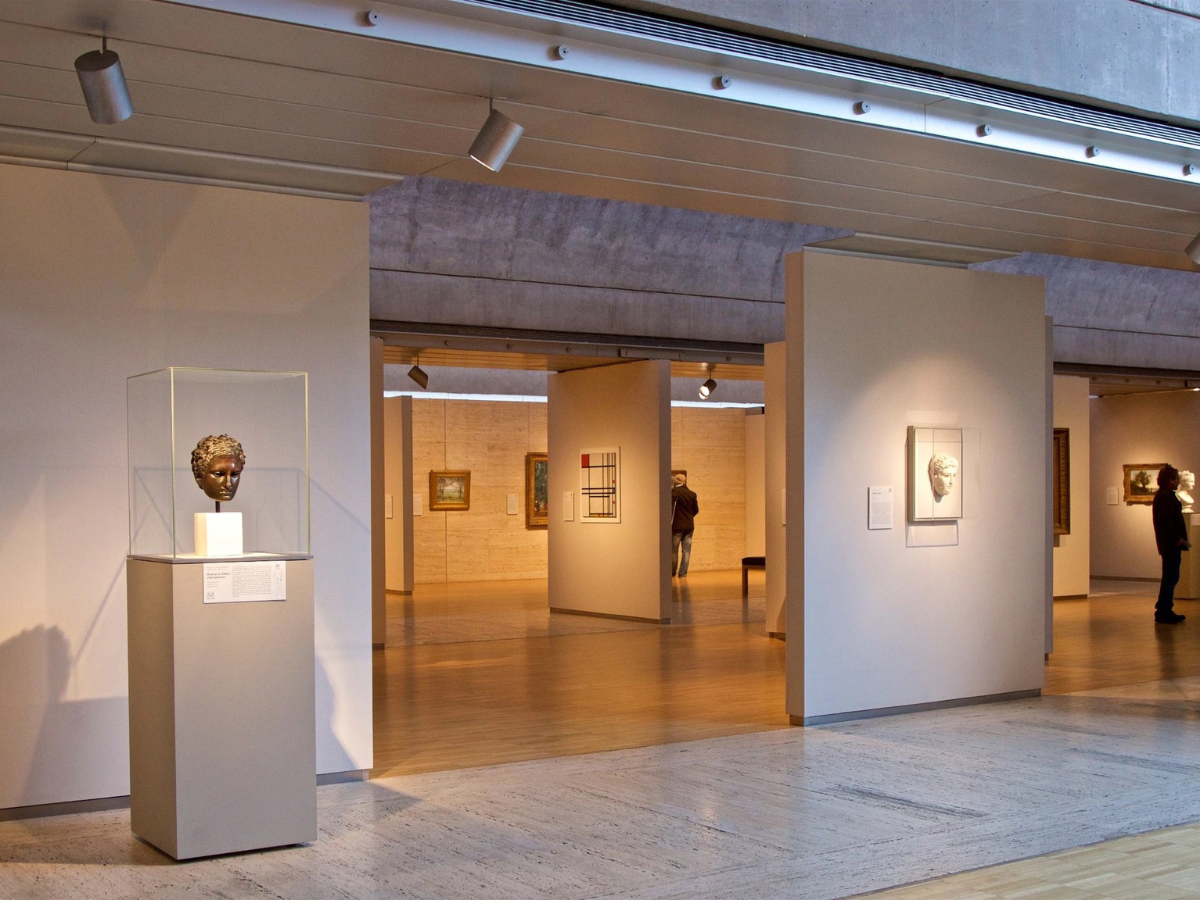
Every home carries a rhythm. High ceilings invite openness and breath. Smaller, enclosed spaces create a sense of comfort and retreat. The width of a hallway, the placement of a doorway, the way rooms connect, all of these details gently guide how we live. Architecture works in the background of our lives. It influences how we slow down, how we gather, and how we rest. When it is done well, it feels natural. When it is not, we often sense discomfort without knowing why. This is why choosing a home is never just about location or size, but about how space feels on an everyday level. Louis Kahn’s Kimbell Art Museum is often referenced for this reason. Its architecture is calm and measured, allowing the building to support experience rather than dominate it.
Light, space, and everyday rituals
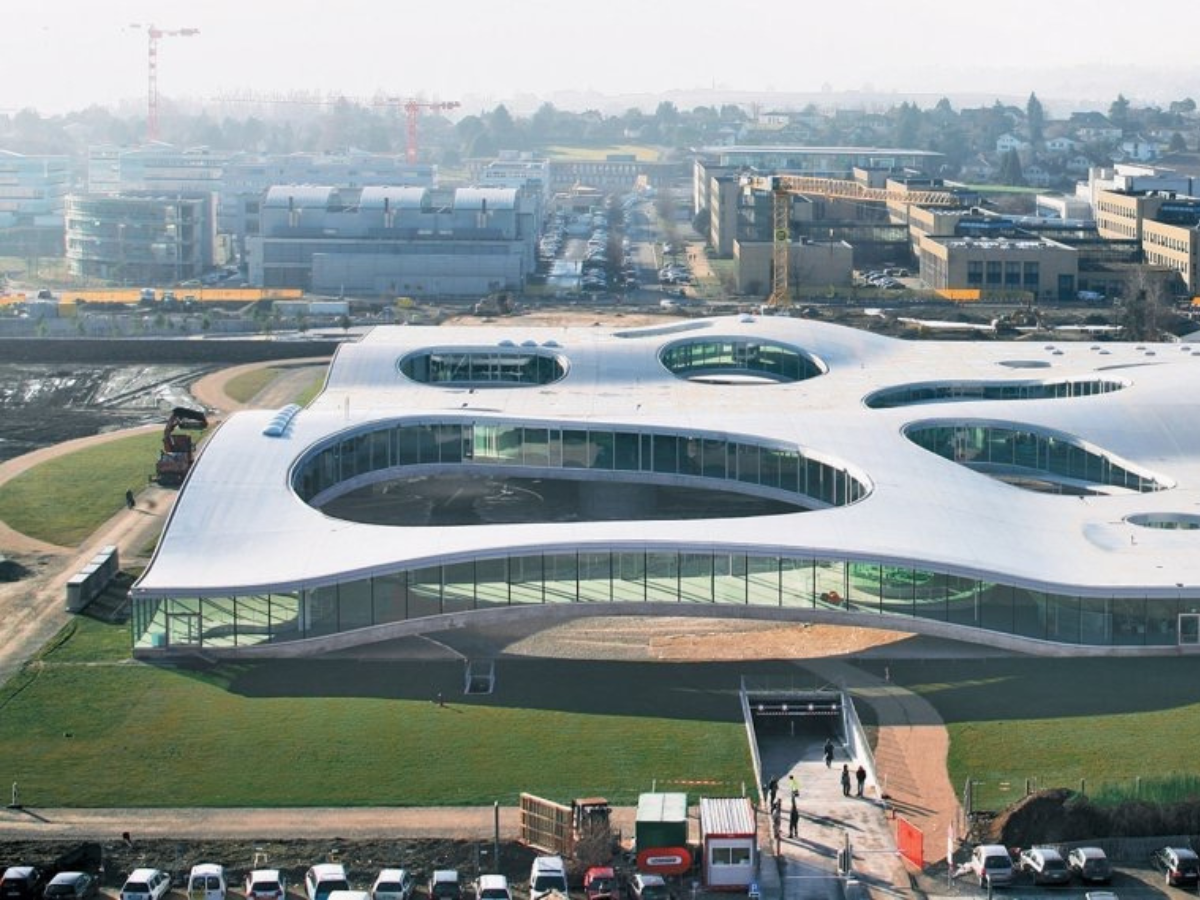

Natural light is one of the most powerful elements in architecture. It shapes our mornings and softens our evenings. A window placed just right can change the mood of an entire room. Light brings warmth, clarity, and a gentle sense of time passing throughout the day. The flow of space matters just as much. Homes that allow easy movement between rooms feel calmer and more intuitive. You notice it when cooking feels effortless, when conversations happen naturally, or when quiet moments feel protected rather than isolated. Buildings like the Rolex Learning Center by SANAA show how light and openness can guide movement and interaction without strict boundaries. The space feels fluid, allowing daily rituals to unfold naturally.
How design shapes relationships

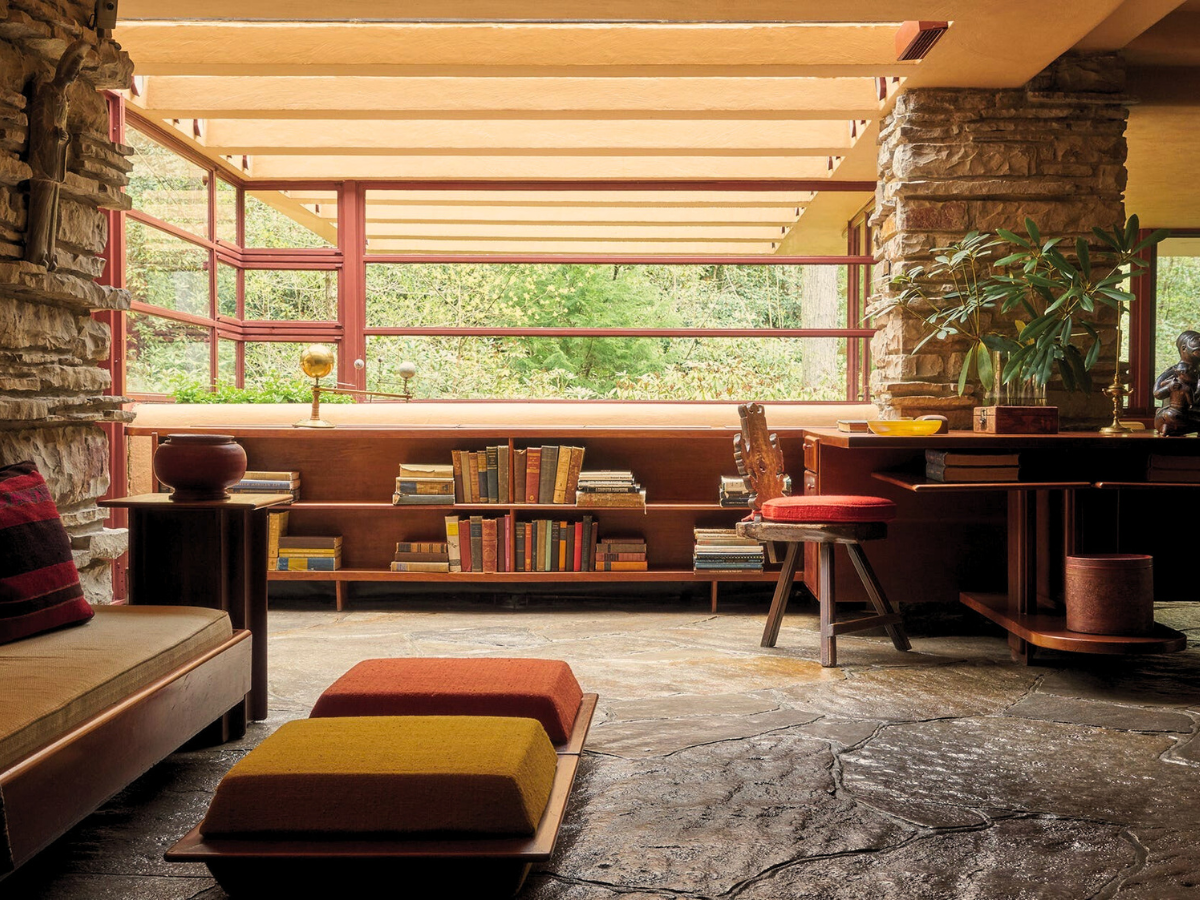
The way a home is designed affects how people relate to one another. Open living areas invite togetherness and shared moments. Private corners allow space for reflection and independence. The balance between openness and privacy is essential. A thoughtful layout can make a home feel welcoming without feeling overwhelming. It creates room for connection while respecting personal space. In this way, architecture gently shapes how we live together. Frank Lloyd Wright’s Fallingwater is a well-known example of this balance. Designed around both nature and human life, it encourages closeness while still allowing moments of quiet retreat.
Homes as reflections of identity


We all respond differently to space. Some are drawn to clean lines and simplicity. Others feel at home surrounded by texture, history, and detail. Architecture reflects not only who we are, but often who we are becoming. A home is not just a place to live. It is a setting for personal growth, creativity, rest, and change. This is why some spaces feel right instantly, while others never quite do. Listening to that feeling matters. In places like Therme Vals by Peter Zumthor, architecture invites awareness and presence. Visitors move slowly, noticing how space, material, and light affect both body and mind. It reminds us that feeling at ease in a space is never accidental.

May was an averagely active month for Estonia’s apartment market this year, but quieter than a year ago.

Historical architecture is not a limitation, but a characterful starting point for creating a contemporary home. Nordic minimalism brings forward what cannot be recreated - layers of time, authentic materials and the natural dignity of a space.