Why More and More Swedes Are Discovering Estonia
More and more Swedes are turning their attention towards Estonia - not only as a destination, but also as a place to live and invest. What they find here is a balance of authenticity, quality and opportunity that is becoming increasingly rare.
Close, yet still undiscovered
Sometimes, the most interesting places are the ones that have been right next to us all along. For a Swede, Estonia is a curious paradox – just across the sea, almost within reach, yet still an undiscovered opportunity. Increasingly, people arrive here out of curiosity and soon find themselves asking a more deliberate question: could Estonia be more than just a destination on the map?
What they discover is a rare combination: unspoiled nature, an extensive coastline, a safe and stable living environment, one of Europe’s most advanced digital societies, a business-friendly tax system, and a real estate market whose potential has not yet been fully realised by international buyers. More and more people are also looking for answers to practical questions – how easy is it to buy property in Estonia, what is everyday life like for a foreigner, and is relocating really as seamless as it is often described?
Estonia may be small, but it consistently stands out in global rankings. With a population of 1.36 million, it has been a member of the European Union since 2004, part of the Schengen Area since 2007, and a member of the eurozone since 2011. Yet that is only the beginning. In recent years, Estonia has ranked second globally in the UN E-Government Index, first in the OECD Tax Competitiveness Index, second in press freedom, and among Europe’s leaders in education and creative thinking. For a country of this size, it is a remarkable concentration of strengths.
A living environment that reveals its value over time
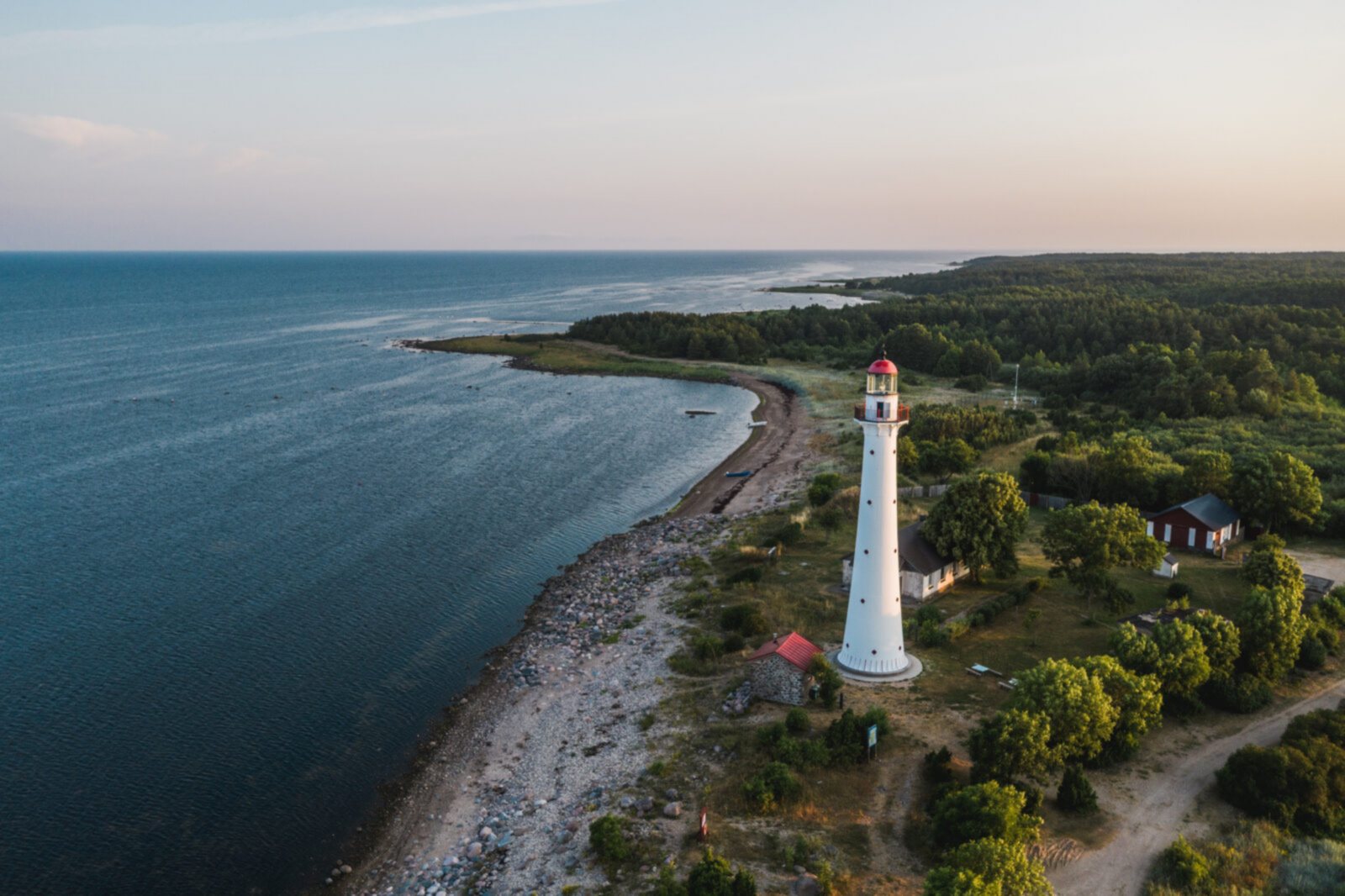
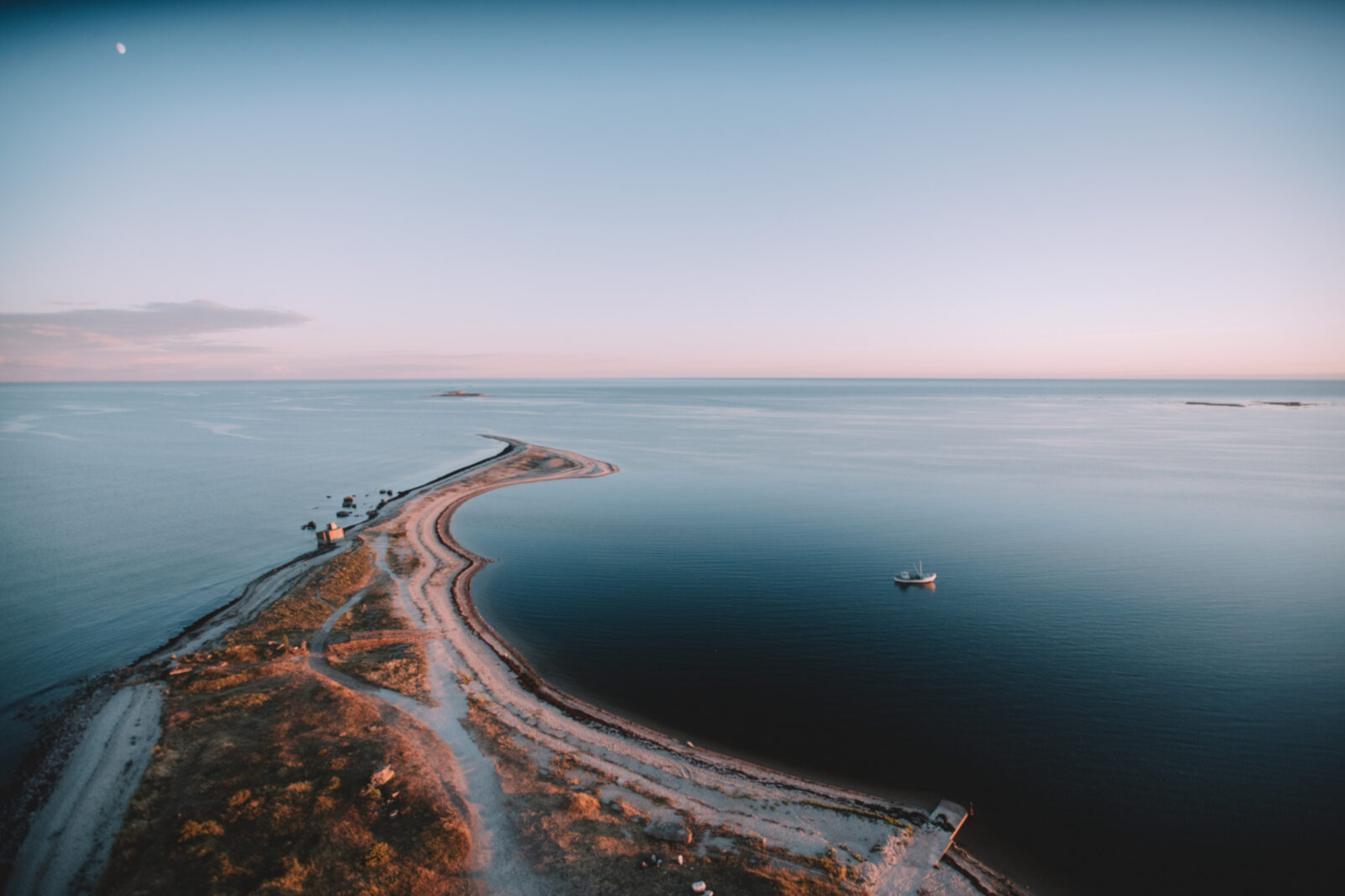
Estonia’s appeal does not emerge from rankings alone. It is found in space, light, and in a feeling familiar to Nordic sensibilities – that nature is not a backdrop, but an integral part of everyday life. Estonia is home to 2317 islands, nearly 3800 kilometres of coastline, and over half of its land area is covered by forest.
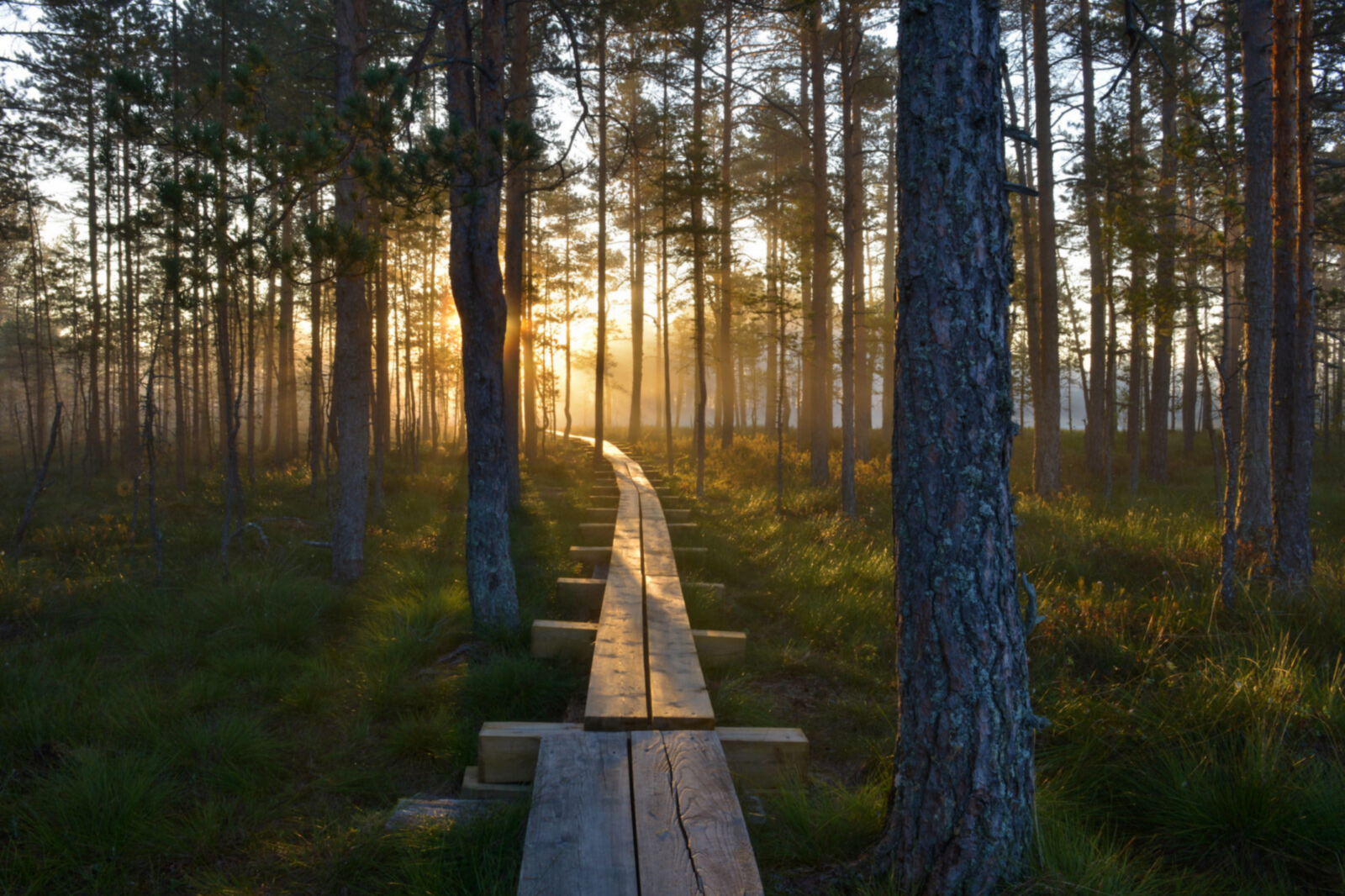
There is also a detail that tends to stay with people: nowhere in Estonia is more than ten kilometres from a bog, and some of these landscapes are over 10 000 years old. This gives the environment something that cannot be built or marketed into existence – a genuine sense of openness. It is precisely this that allows one to combine city life, the sea, forests, refined architecture and a calm pace of living in a way that feels both understated and luxurious.
For a Swede, there is something inherently logical about this. Premium living is no longer defined solely by a prestigious address. It is equally about time, quiet, security, the ease of moving between countries, and the sense that a home supports life rather than complicates it. In Estonia, this may take the form of a seaside apartment in Tallinn, a summer home among juniper-lined shores, or a private residence in areas such as Noarootsi, Vormsi or Haapsalu. Luxury here is less demonstrative and more intrinsic. In many ways, Estonia feels less like something new, and more like a natural extension of a Nordic way of life.
Tallinn – a gateway to a new Nordic quality of life
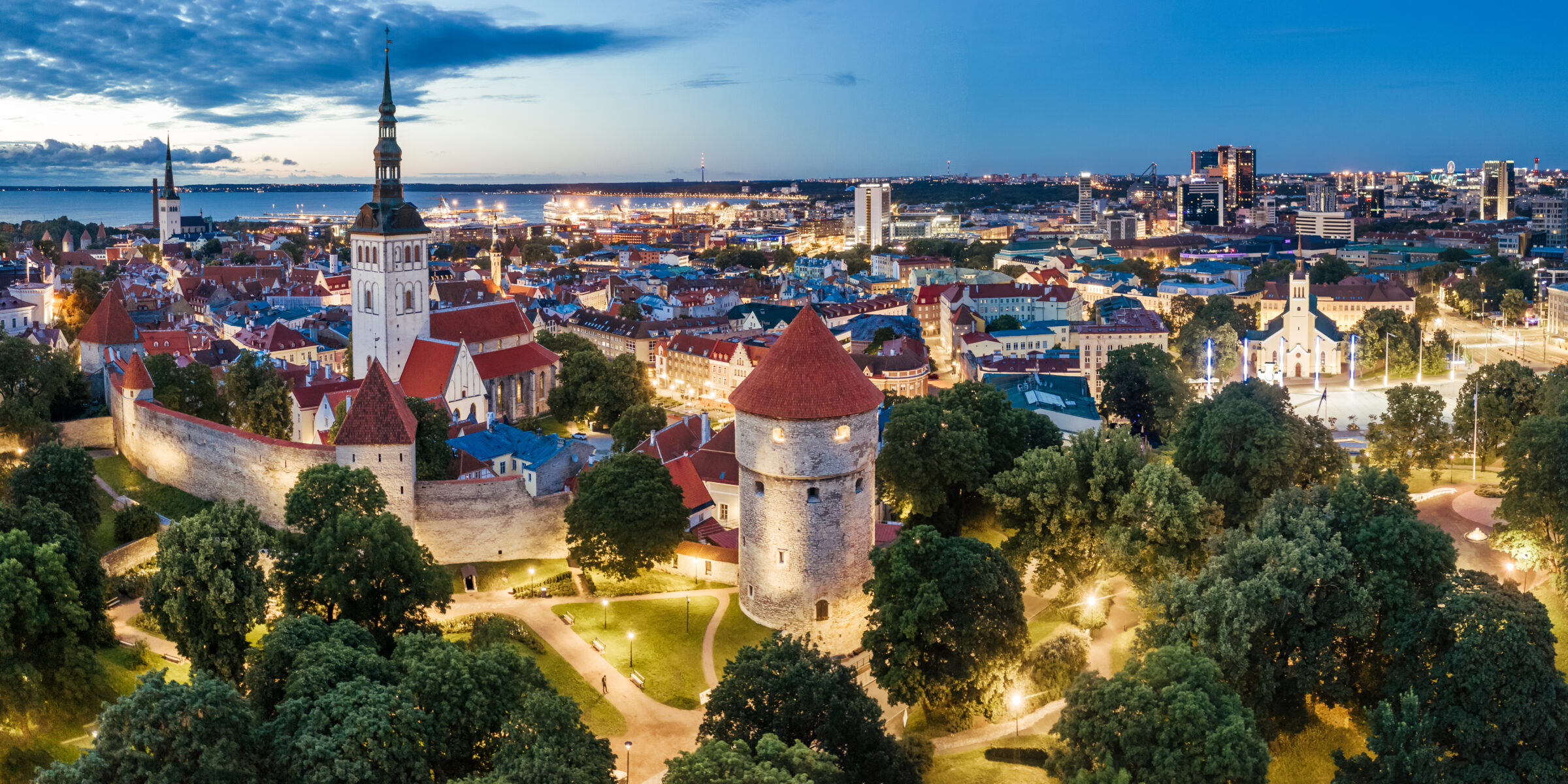
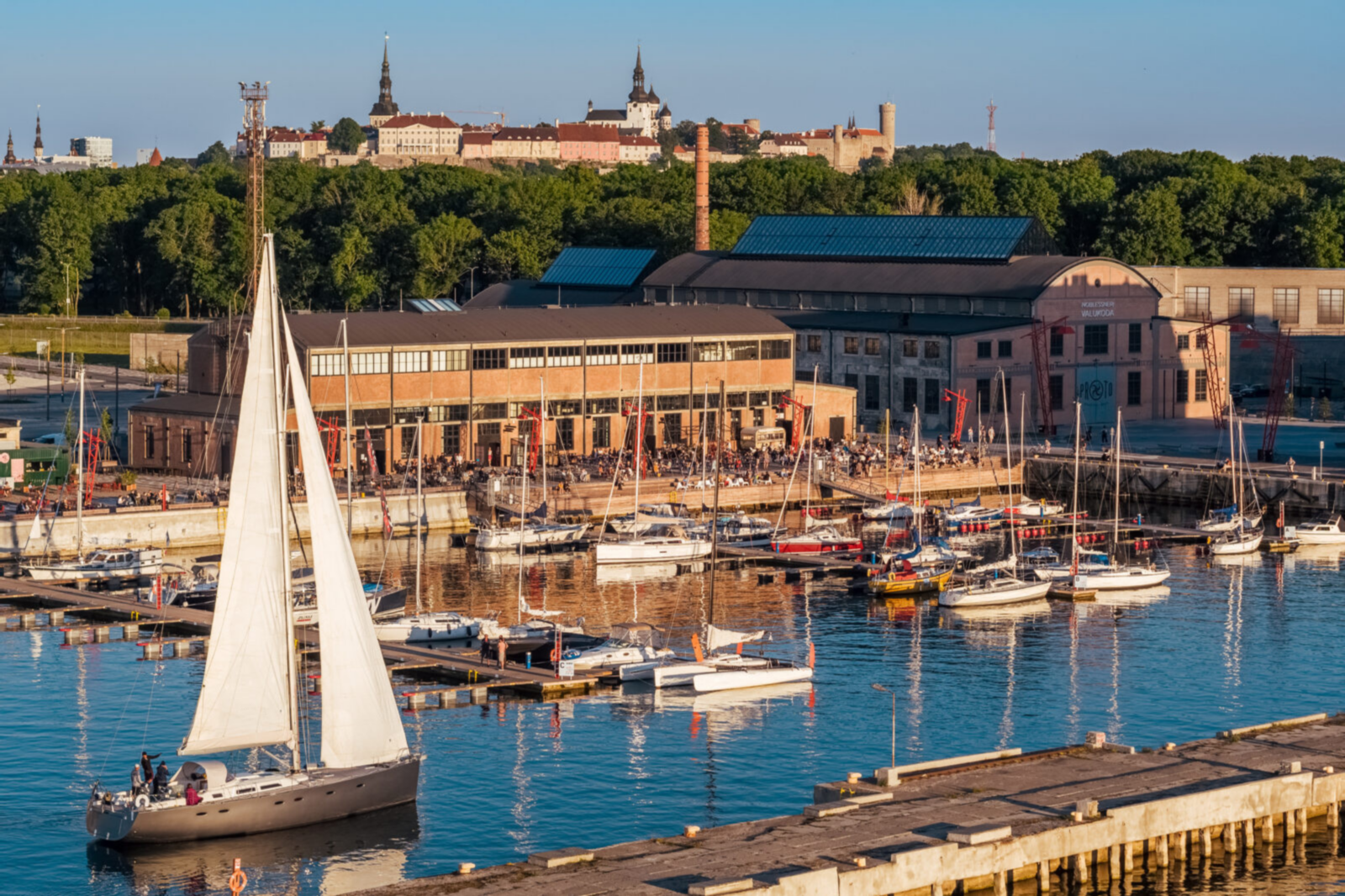
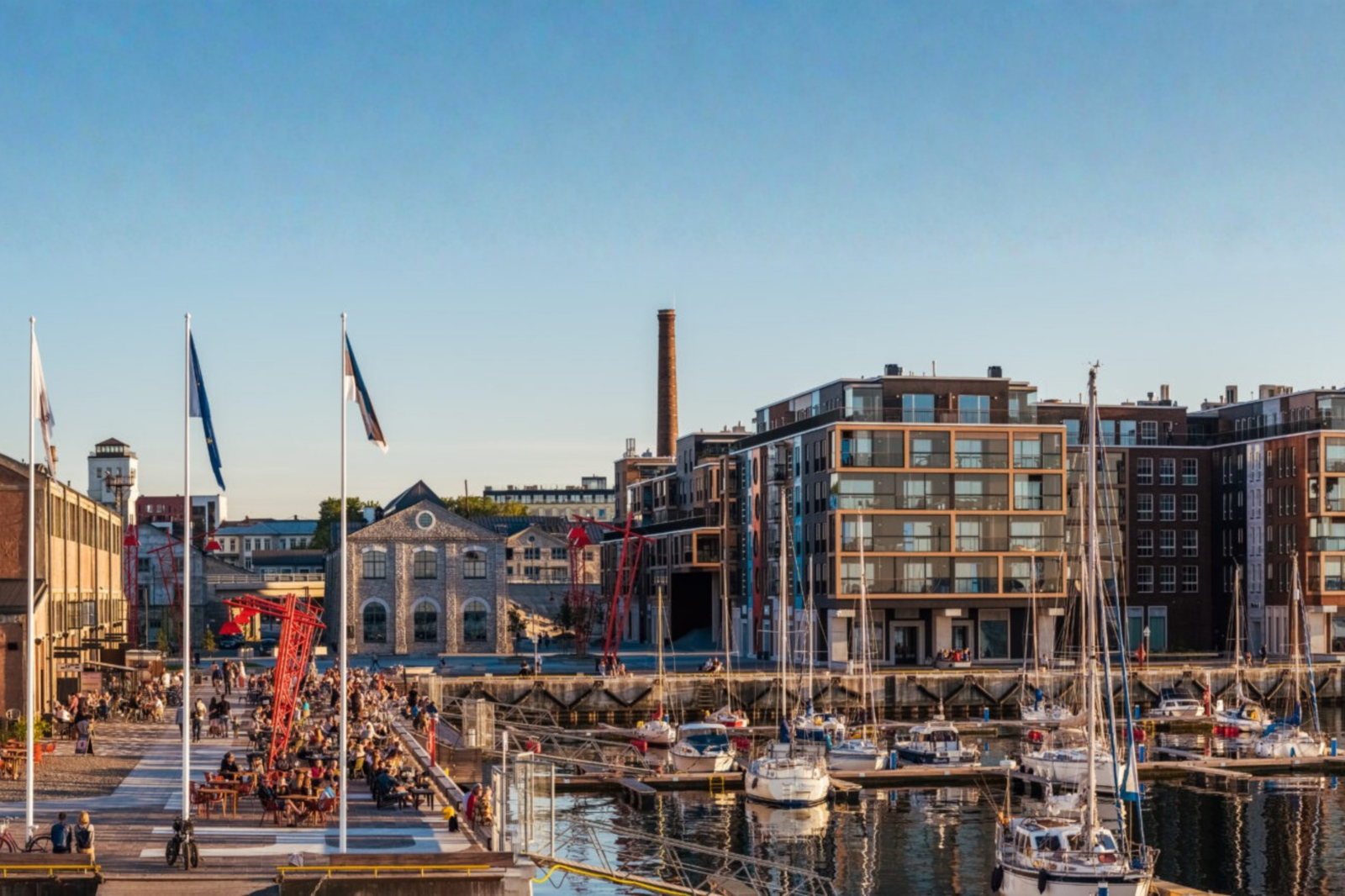
Tallinn is the most visible entry point into this world. UNESCO describes its Old Town as an exceptionally well-preserved medieval Northern European trading city. Yet Tallinn’s appeal extends far beyond its historic centre. The strength of the city lies in its ability to balance heritage with movement – centuries-old stone walls alongside contemporary architecture, a developing seaside, a strong culinary scene, and an urban environment that never feels overwhelming.
A small but telling detail: in the United Nations’ 2024 comparison of local e-services, Tallinn ranked as the number one city in the world. This alone says more than a lengthy explanation. For many, Tallinn also becomes the first point of arrival when considering relocation or property acquisition in Estonia.
A country that does not waste your time
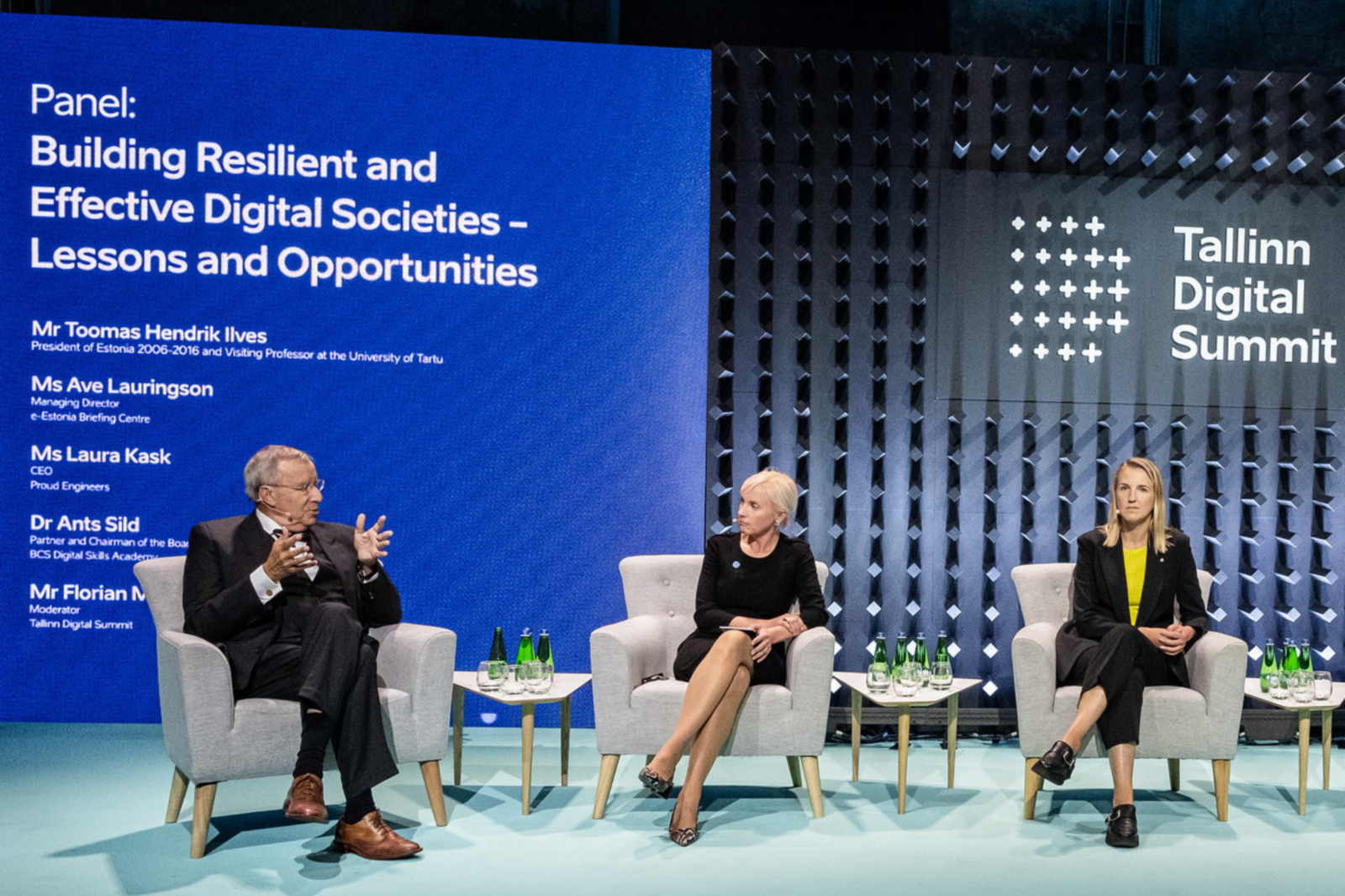
One of the most important things to understand about Estonia is that its digital society is not a concept – it is everyday reality. Public services are almost entirely digital, companies can be established online, and the e-Residency programme has already brought more than 100 000 people into Estonia’s digital business environment.
According to official data, registering a company online typically takes just two to four hours. This is more than convenience; it reflects a different business culture – one where the state does not consume the entrepreneur’s time. It is perhaps no coincidence that companies such as Skype, Wise, Bolt and Pipedrive have emerged from this environment. A country that simplifies digital processes tends to produce digitally strong businesses. It is also one of the reasons Estonia attracts those seeking an efficient and well-functioning base for international business activity.
A tax environment that supports growth
The tax system adds a clear economic rationale. In Estonia, corporate profits are generally not taxed when earned, but when distributed. This model encourages reinvestment and long-term growth rather than penalising it. In the 2025 International Tax Competitiveness Index, Estonia once again ranked first – for the twelfth consecutive year. For a Swedish entrepreneur, this sends a clear and familiar signal: Estonia does not seek to restrain business, but to enable it.
A small country with open communication
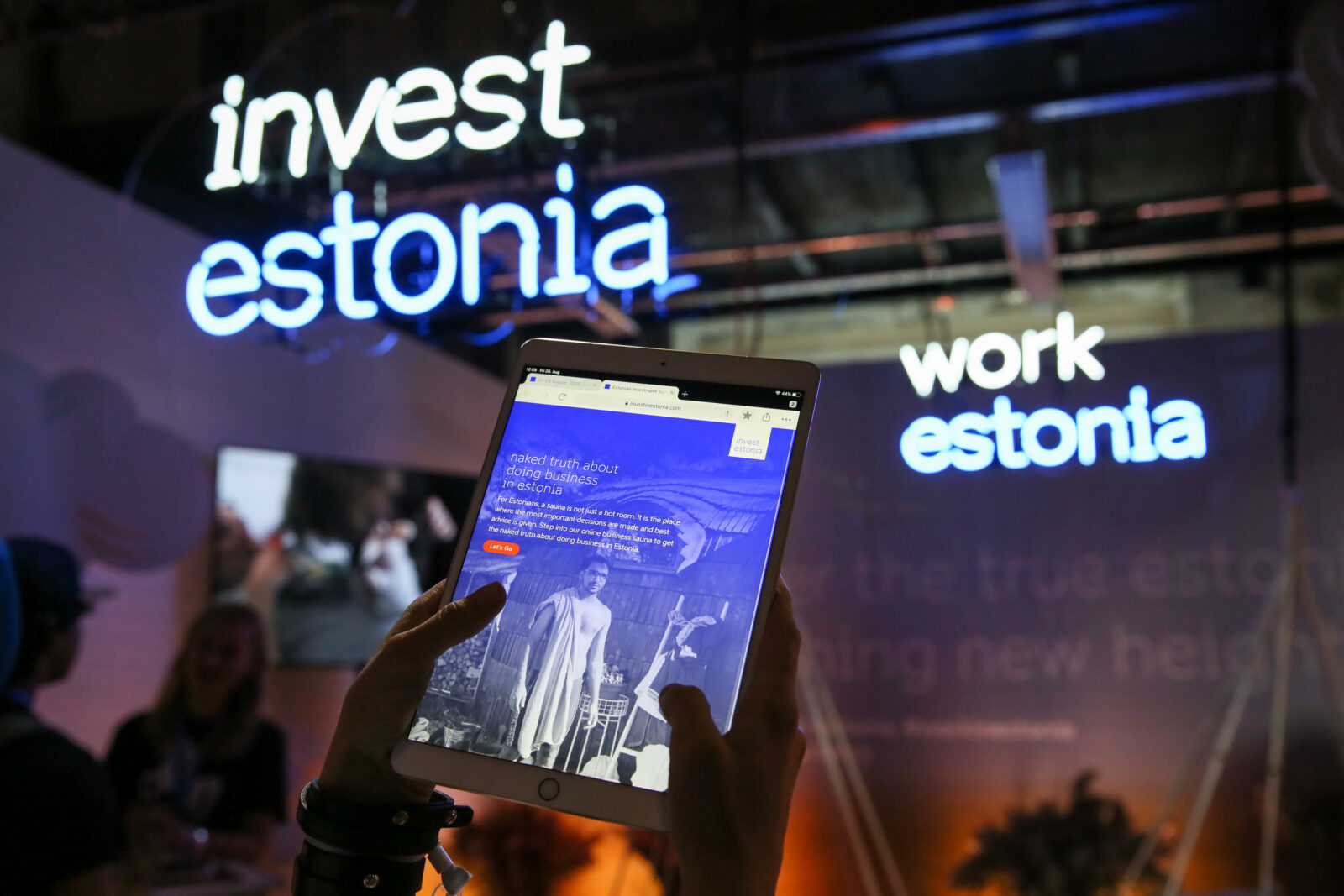
The linguistic and communication environment is also more accessible than it may appear from afar. According to the 2021 census, 76% of Estonia’s population speaks at least one foreign language, with English being the most widely used. This makes the transition smoother. Communication is direct and efficient, and international residents do not feel like outsiders. Estonia is small, but remarkably easy to navigate and understand.
Noarootsi – a centuries-old connection across the sea
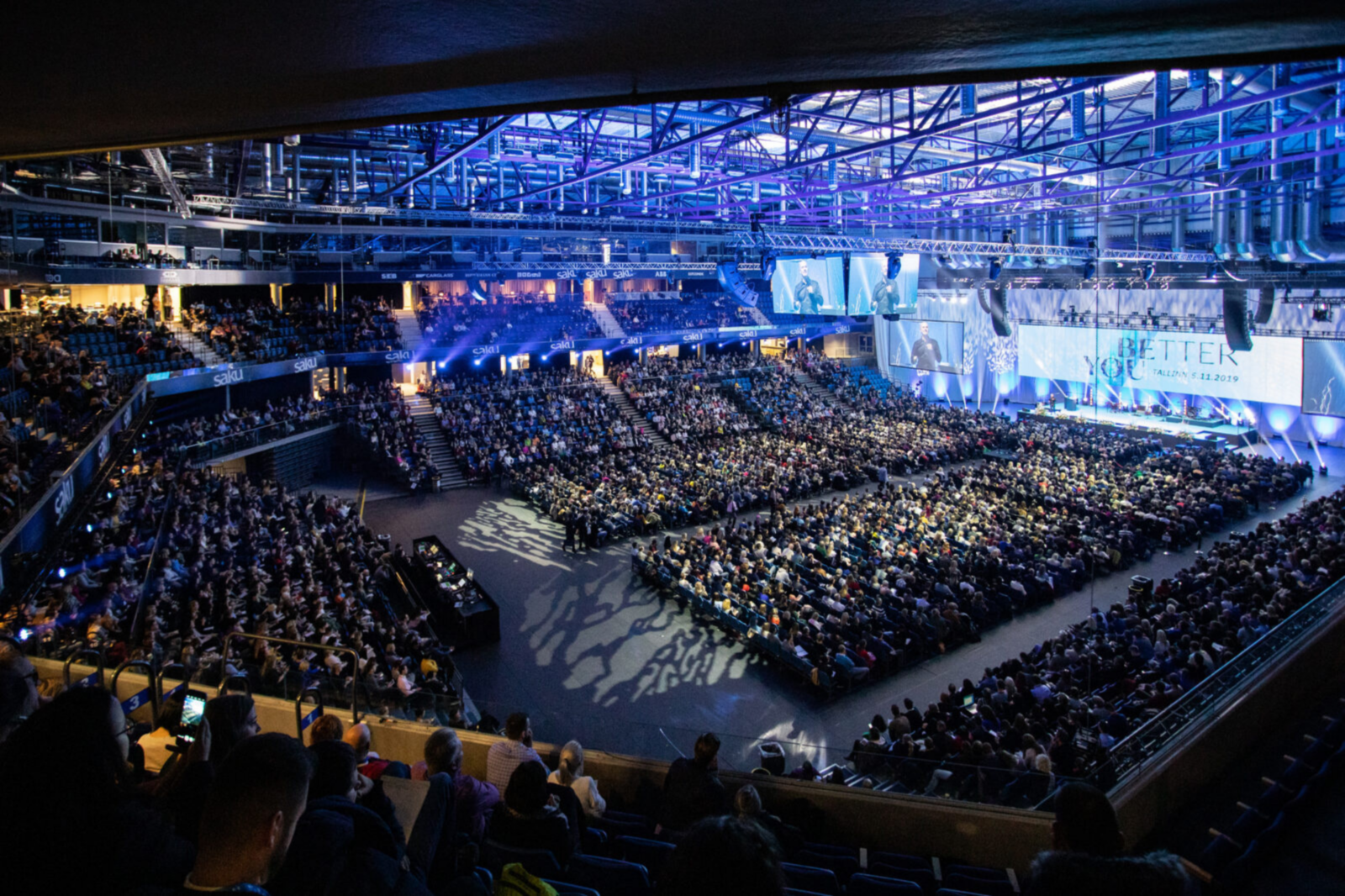
Then there is Noarootsi – a place that makes Estonia feel immediately more personal for a Swede. Known in Swedish as Nuckö, it was historically a centre of the coastal Swedish community. This is more than a historical detail. It reflects a relationship between Estonia and Sweden that is neither recent nor superficial, but deeply rooted over centuries. The same connection is reflected in the University of Tartu, founded in 1632 by the Swedish king Gustav II Adolf. Between Estonia and Sweden, there is more than just the sea – there is a shared cultural layer.
A real estate market – evolving, innovative and increasingly refined
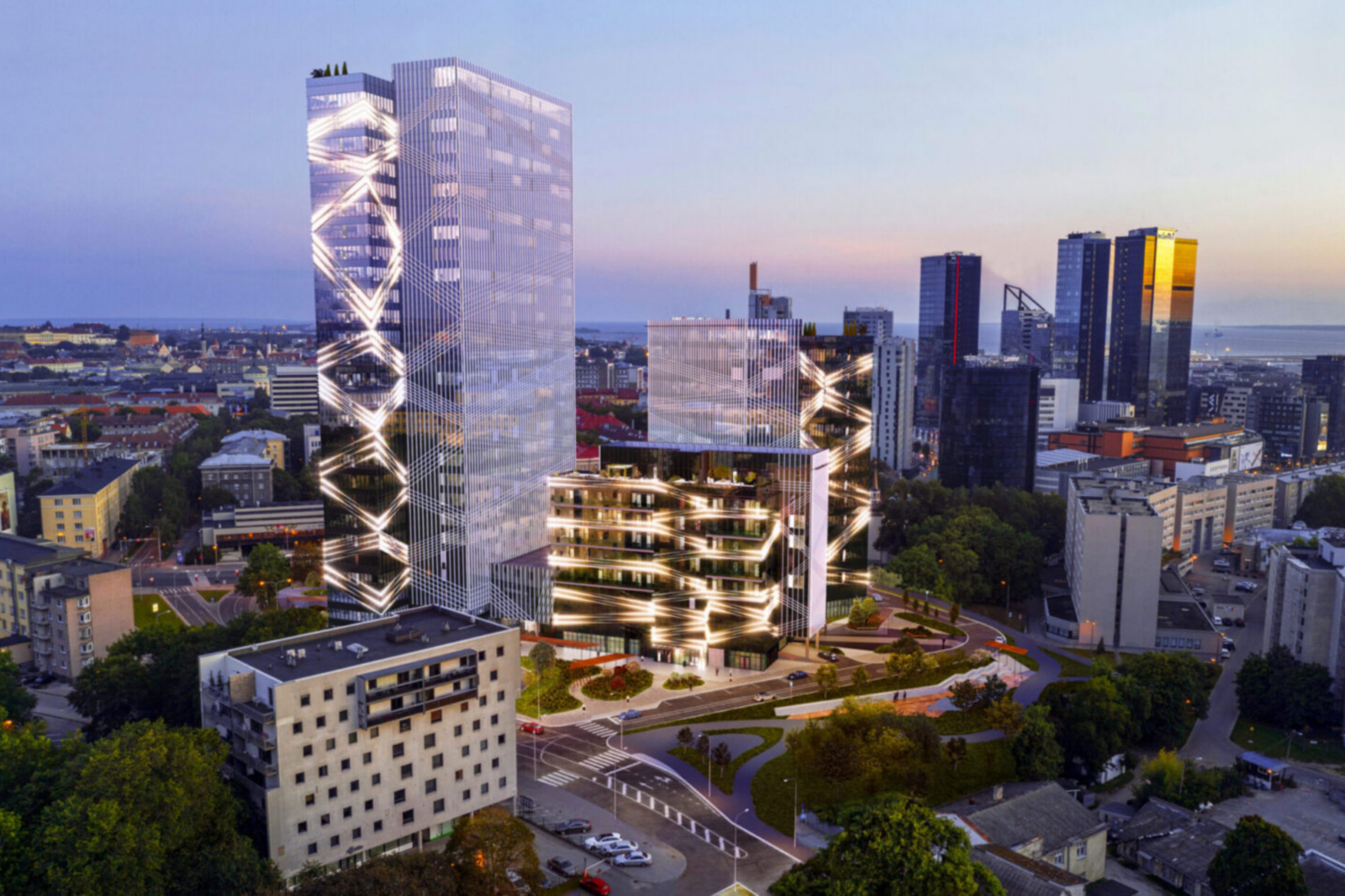
From a real estate perspective, Estonia is at an interesting stage of development. The market is mature enough to offer quality, yet early enough to present opportunity. In 2025, 6059 new residential units were completed, with permits issued for 6695 more. Most development has taken place in Tallinn, its surrounding areas, and Tartu County. Since 2020, all new buildings must meet A-class energy efficiency standards, effectively near-zero energy requirements. For the buyer, this means modern construction quality, energy efficiency and long-term sustainability. Estonia is not only offering attractive locations, but increasingly a technically strong and forward-looking product. It is for this reason that Estonia’s property market is drawing growing interest from Swedish buyers – whether for a second home, an investment, or a more flexible way to combine lifestyle and capital.
A transaction environment built on trust
The transaction culture reinforces this sense of confidence. Real estate transactions are conducted through notaries, whose role includes verifying the legality of the process and who carry personal responsibility and mandatory professional liability insurance. Through the e-notary system, transactions can be initiated, monitored, and even completed remotely. For an international buyer, this creates a rare combination – a process that is both secure and efficient. In many countries, one must choose between the two. In Estonia, it is possible to have both. For foreign buyers in particular, the process is clear, structured and well-supported, reducing uncertainty from the very first step.
Why Estonia?
Why does this resonate with an increasing number of Swedes considering travel, investment or relocation? Estonia is not simply a more affordable alternative. It is thoughtfully positioned, but that is not the essence of the story. The real value lies in the combination: sea, nature, cultural proximity, a highly developed digital society, a business-friendly environment, strong international functionality, and a real estate market where there is still room to make well-timed decisions. It is a rare balance. A small country that does not attempt to appear larger than it is – yet often functions better than those that do.
Swedish experience, Estonian insight
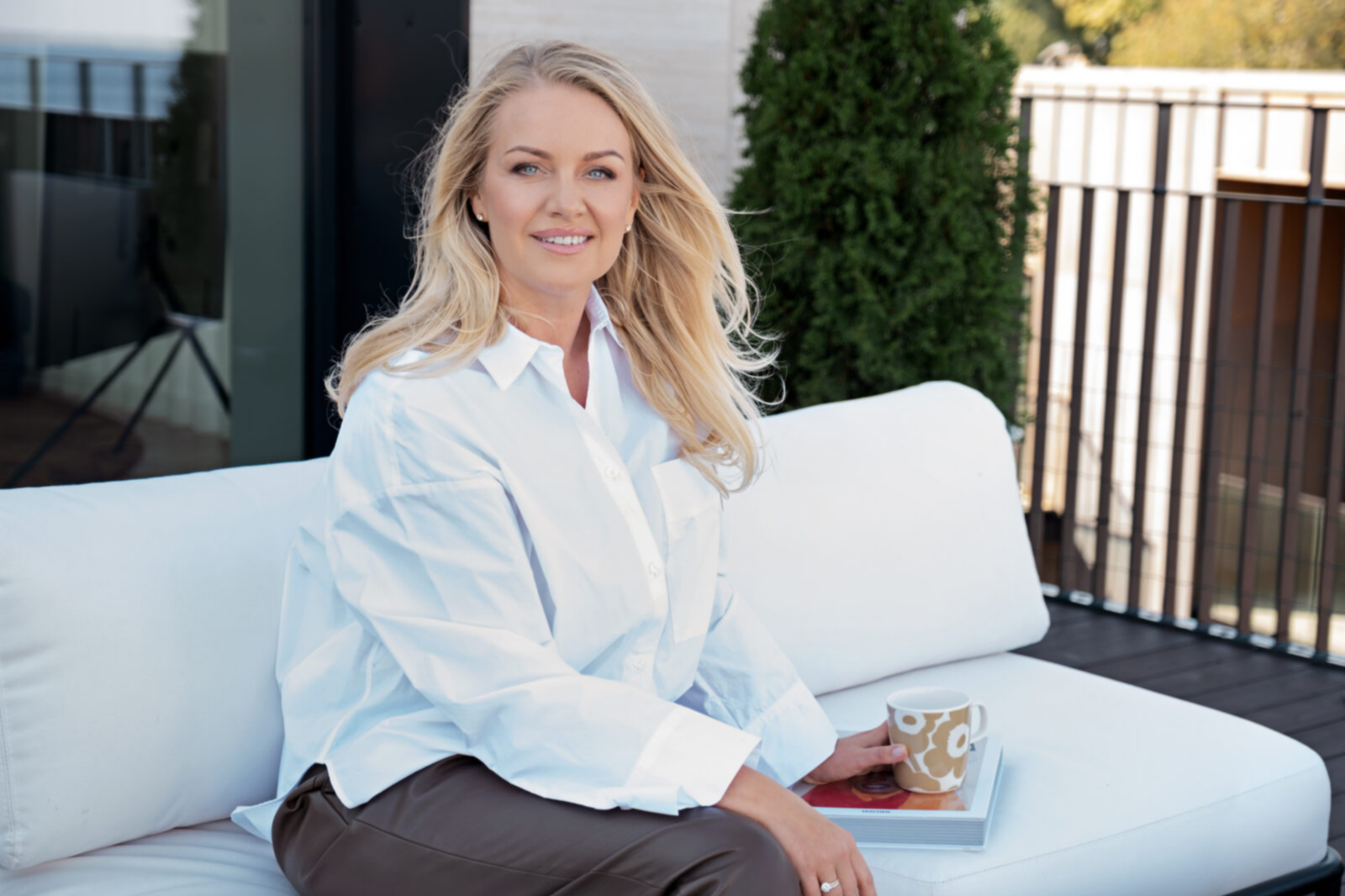
My connection to both Estonia and Sweden is personal. Having lived and studied in Sweden, I have come to understand not only the mindset, but also the expectations that shape decisions around home, quality and trust.
I speak Swedish and assist those who are considering purchasing property in Estonia, exploring investment opportunities, or simply seeking a clearer understanding of what is truly possible here. Often, it begins not with a decision, but with a conversation – and it is in that conversation that complexity becomes clarity.
Sometimes, the best decisions start exactly there.

02.06.2026
LUXUM Real Estate Celebrated Its 5th Anniversary
LUXUM Real Estate’s anniversary brought together wonderful company, warm reunions and inspiring conversations. The afternoon unfolded in an elegant atmosphere, complemented by delicious bites, excellent drinks and a heartfelt sense of celebration.
13.05.2026
April Market Overview: Summer Home Sales Rose Sharply
The April real estate market was quieter than in March, but significantly more active than at the start of the year. As is typical for the spring season, the summer home market picked up.